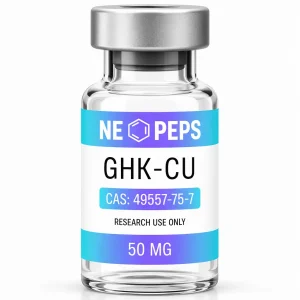





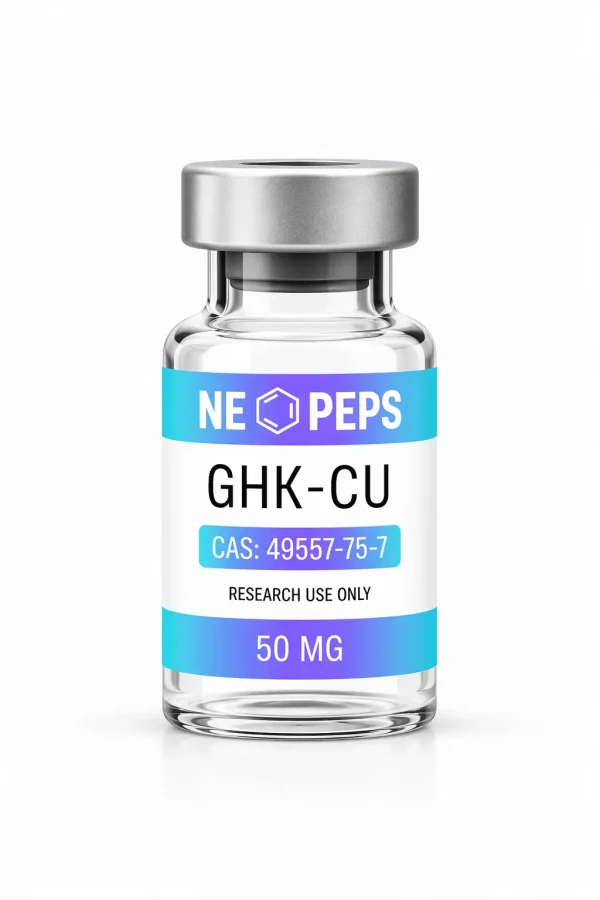
GHK-CU
GHK-CU
Price range: 40,00 € through 65,00 €
GHK-Cu is the copper complex of the tripeptide glycyl-L-histidyl-L-lysine, a fragment naturally present in human plasma, saliva and urine. Its plasma level falls markedly between the ages of 20 and 60. In cell and animal studies it is one of the most studied peptides in skin and tissue-repair research, where it stimulated collagen production and shifted the activity of genes involved in wound healing.
 Independently testedEvery batch analyzed by Janoshik
 Fast shippingDispatched within 24h, EU-wide
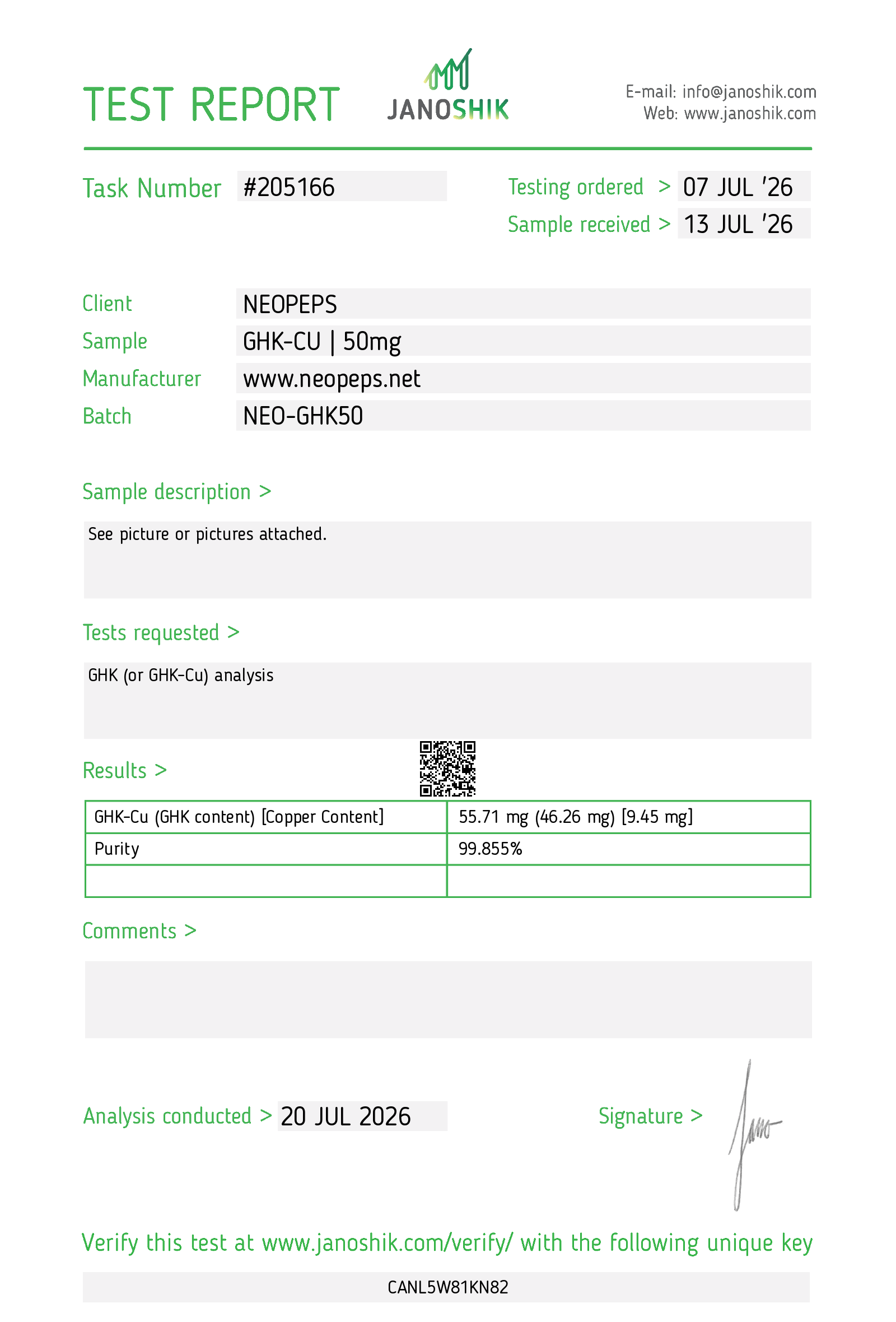

Composition
Molecular profile.
Research
Published studies.
Regenerative and protective actions of the GHK-Cu peptide in the light of the new gene data PubMed ↗ The human tripeptide GHK-Cu in prevention of oxidative stress and degenerative conditions of aging PubMed ↗ GHK peptide as a natural modulator of multiple cellular pathways in skin regeneration PubMed ↗Storage
Handling & stability.
Lyophilized
Reconstituted
About this compound.
GHK-Cu is the copper complex of the tripeptide glycyl-L-histidyl-L-lysine, a fragment naturally present in human plasma, saliva and urine. Its plasma level falls markedly between the ages of 20 and 60. In cell and animal studies it is one of the most studied peptides in skin and tissue-repair research, where it stimulated collagen production and shifted the activity of genes involved in wound healing.
The peptide binds copper(II) with high affinity and delivers it to enzymes that build and remodel connective tissue, such as lysyl oxidase and superoxide dismutase.
Research background
- GHK-Cu increased the synthesis of collagen, elastin and glycosaminoglycans in fibroblast cultures and accelerated wound closure in animal models (Pickart & Margolina, Int J Mol Sci 2018).
- In human gene-expression datasets, GHK shifted the activity of genes involved in tissue remodeling, antioxidant defense and DNA repair towards a pattern associated with younger tissue (Pickart et al., Oxid Med Cell Longev 2012).
- Cosmetic studies have examined topical GHK-Cu formulations on skin density, firmness and fine lines over 12 weeks (Pickart et al., Biomed Res Int 2015).
Research areas
- Skin aging and dermal remodeling
- Wound healing and collagen synthesis
- Copper-dependent gene regulation
Research Use Only. This product is intended exclusively for in vitro and laboratory research. It is not approved for human or veterinary use and no therapeutic claims are made. Handle with appropriate laboratory precautions.
Related products
-
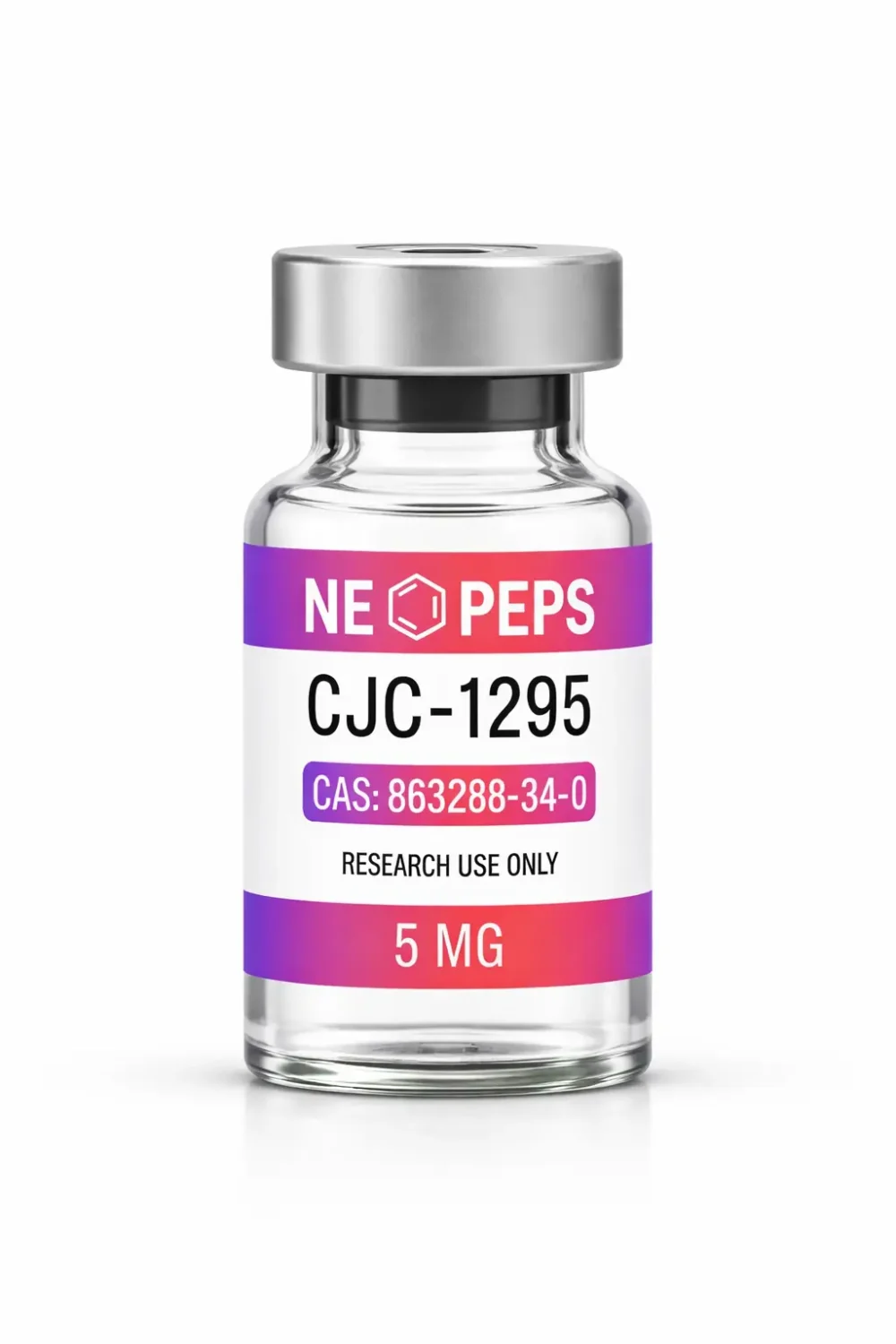
CJC-1295
Price range: 35,00 € through 55,00 €Select options This product has multiple variants. The options may be chosen on the product page -
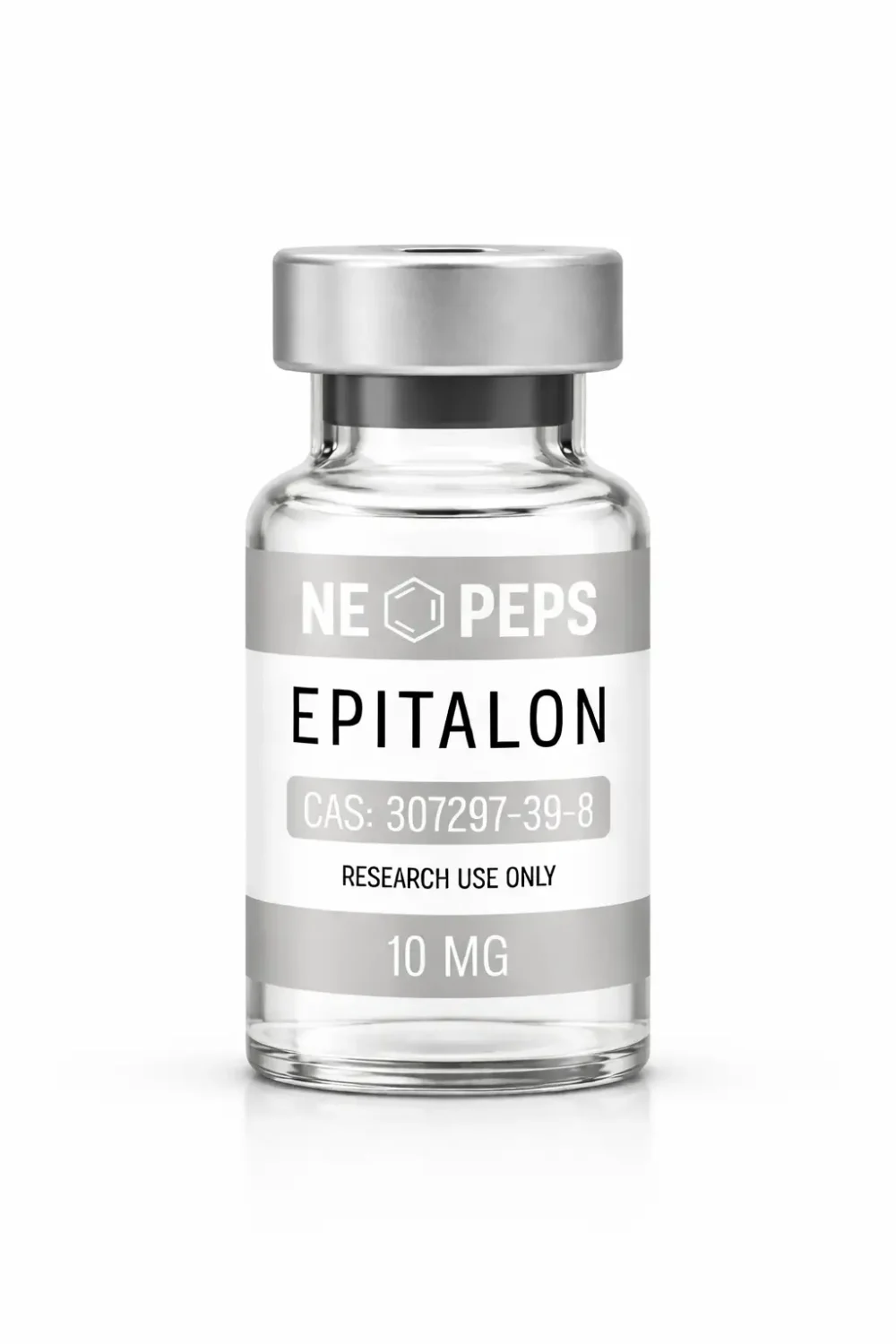
EPITALON | 10 MG
35,00 € -
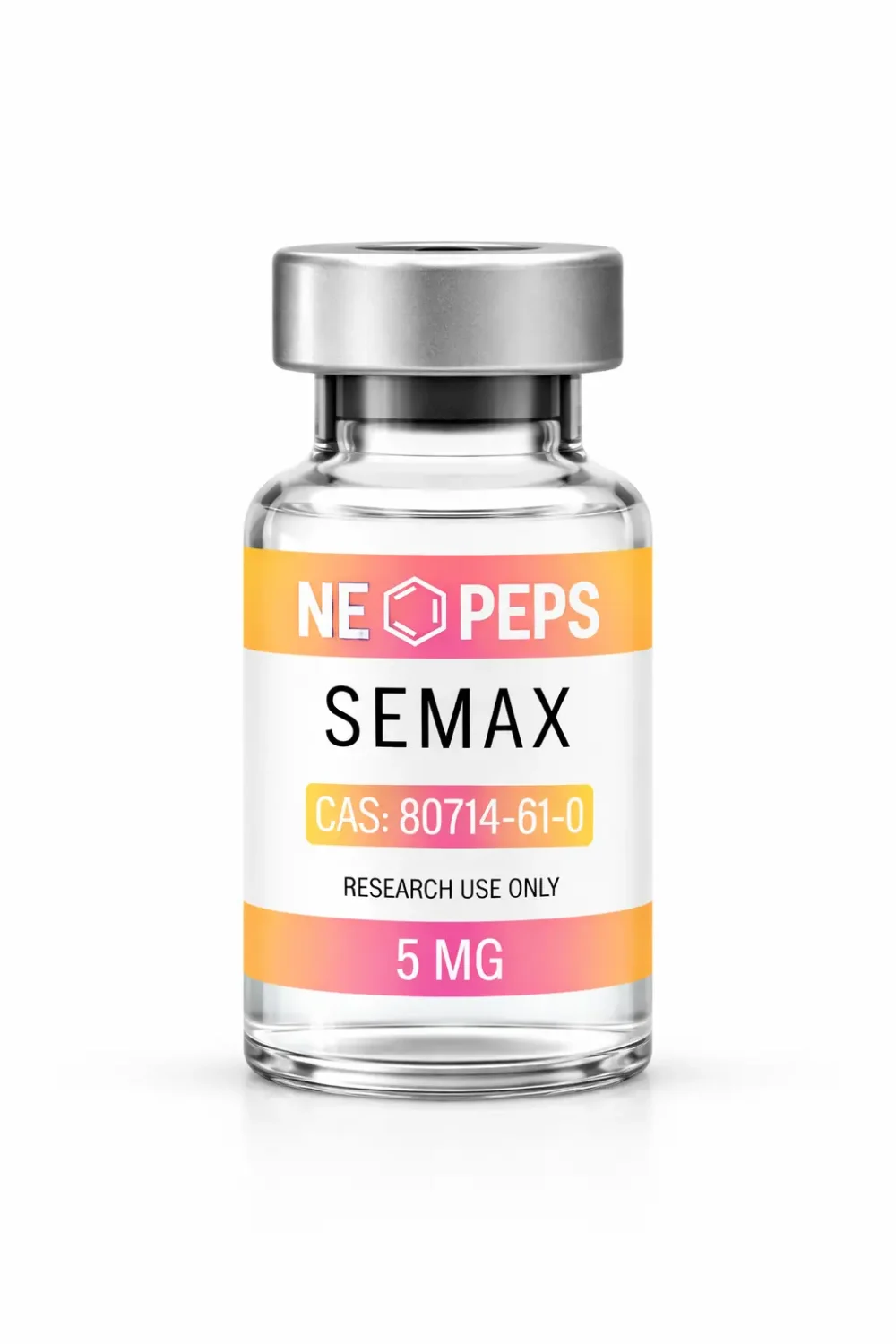
SEMAX
Price range: 25,00 € through 35,00 €Select options This product has multiple variants. The options may be chosen on the product page -
NAD+ | 500 MG
65,00 €