




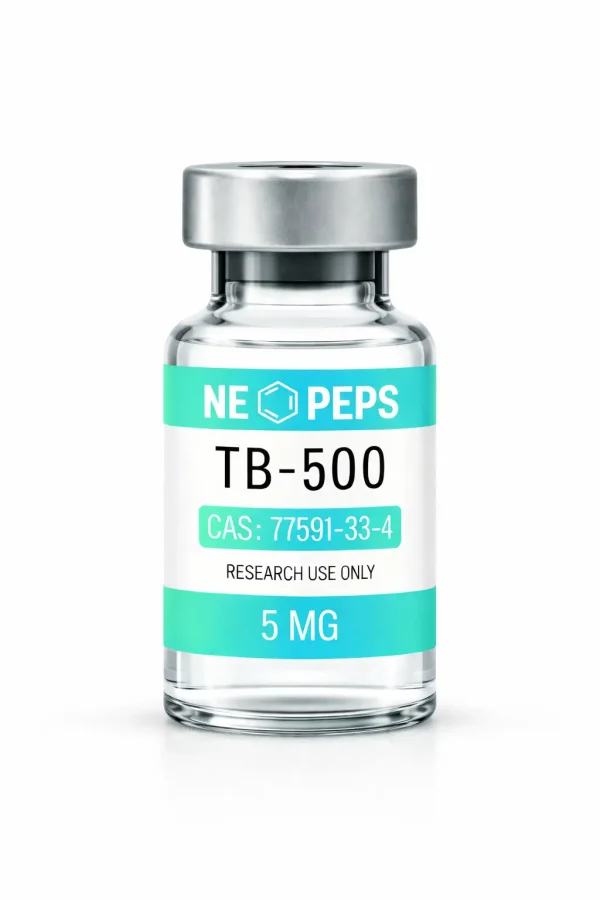
TB-500
TB-500
Price range: 35,00 € through 45,00 €
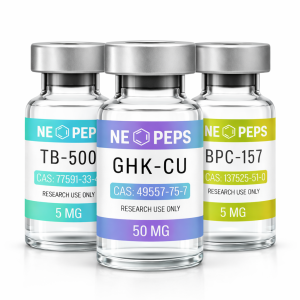
TB-500 is the synthetic form of thymosin beta-4, a 43-amino-acid protein present in nearly all human cells, where it binds actin and controls how cells move and reshape themselves. Because cell migration is the first step of tissue repair, thymosin beta-4 is studied in models of wound healing, blood-vessel growth and heart and eye injury.
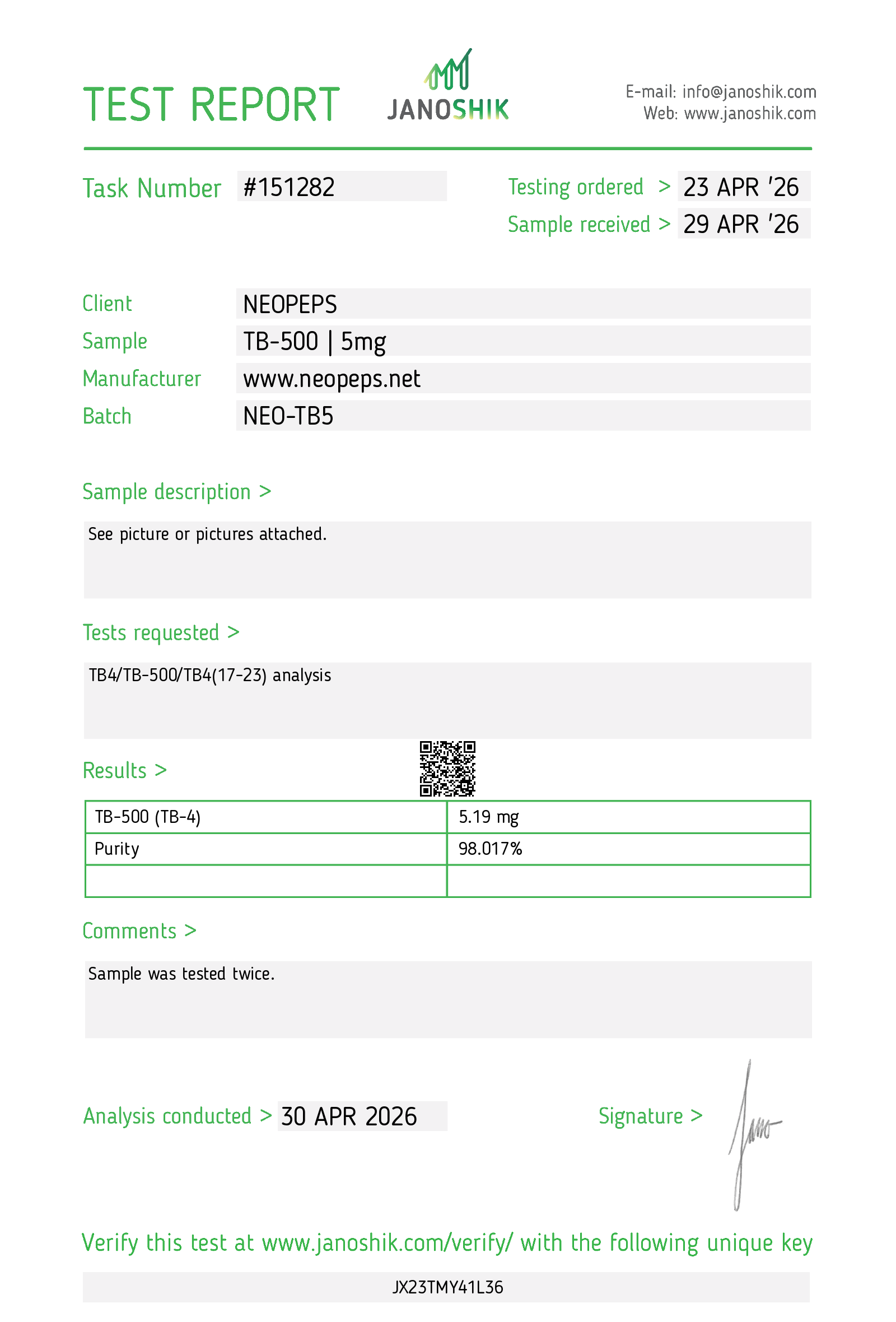
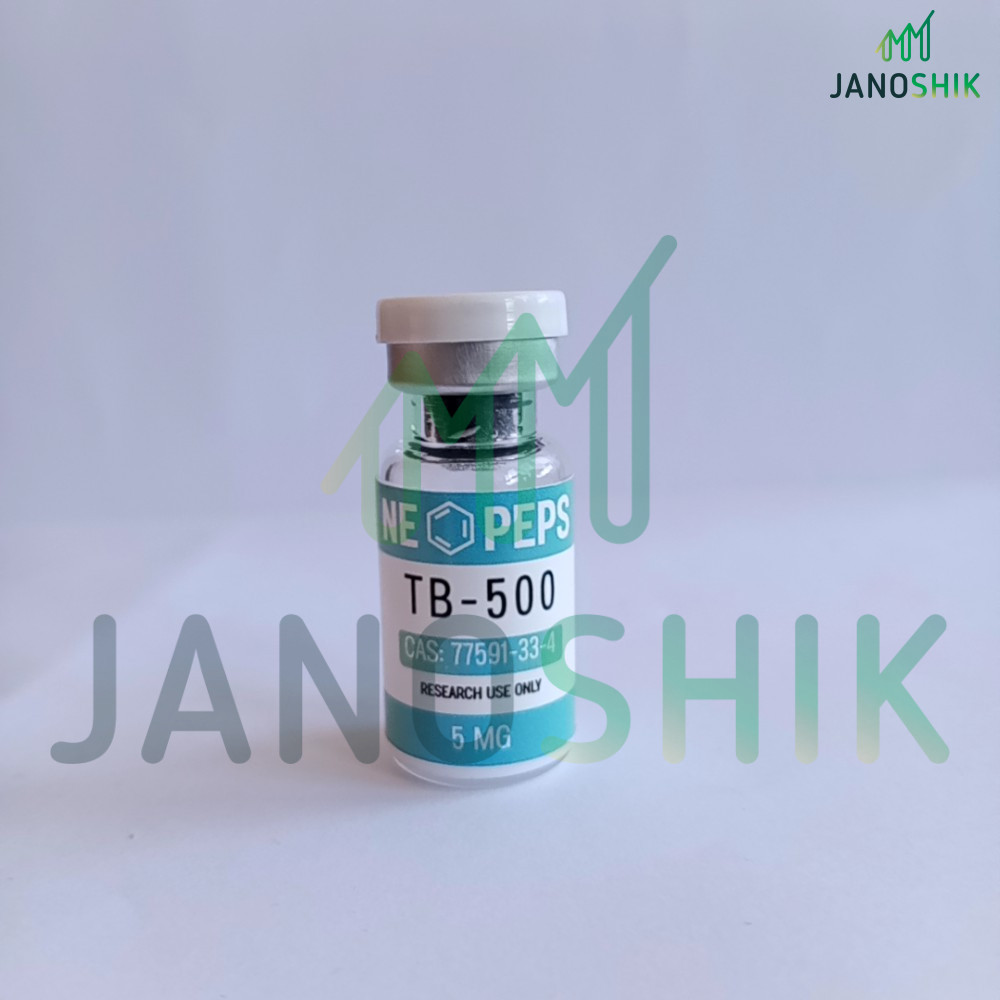
 Independently testedEvery batch analyzed by Janoshik
 Fast shippingDispatched within 24h, EU-wide
Composition
Molecular profile.
Research
Published studies.
Thymosin beta 4 promotes angiogenesis, wound healing, and hair follicle development PubMed ↗ Progress on the function and application of thymosin beta 4 PubMed ↗ Thymosin beta4 activates integrin-linked kinase and promotes cardiac cell migration, survival and cardiac repair PubMed ↗Storage
Handling & stability.
Lyophilized
Reconstituted
About this compound.
TB-500 is the synthetic form of thymosin beta-4, a 43-amino-acid protein present in nearly all human cells, where it binds actin and controls how cells move and reshape themselves. Because cell migration is the first step of tissue repair, thymosin beta-4 is studied in models of wound healing, blood-vessel growth and heart and eye injury.
The active core of thymosin beta-4 is the actin-binding sequence LKKTETQ. By releasing actin building blocks where they are needed, the peptide lets repair cells migrate into damaged tissue.
Research background
- In mice and rats, thymosin beta-4 accelerated dermal wound closure, increased collagen deposition, promoted new blood-vessel formation and stimulated hair growth (Philp et al., Mech Aging Dev 2004).
- Reviews summarize its examination in animal models of heart, cornea and nerve injury and in early human trials on corneal healing and cardiac repair (Front Endocrinol 2021).
- After experimental myocardial infarction in mice, thymosin beta-4 activated integrin-linked kinase, improved the survival of heart muscle cells and preserved cardiac function (Bock-Marquette et al., Nature 2004).
Research areas
- Wound healing and angiogenesis
- Actin dynamics and cell migration
- Cardiac and corneal repair models
Research Use Only. This product is intended exclusively for in vitro and laboratory research. It is not approved for human or veterinary use and no therapeutic claims are made. Handle with appropriate laboratory precautions.
Related products
-
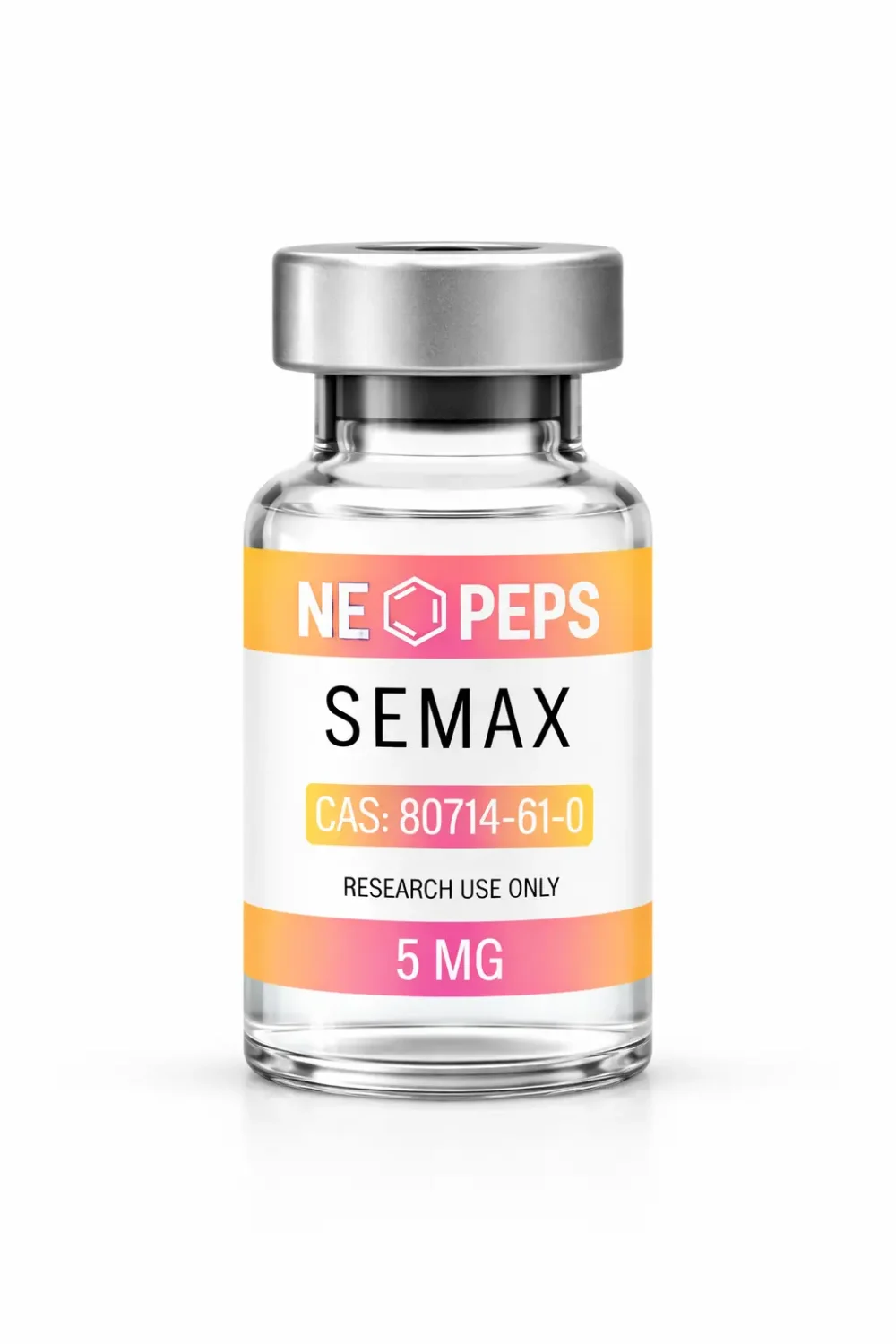
SEMAX
Price range: 25,00 € through 35,00 €Select options This product has multiple variants. The options may be chosen on the product page -
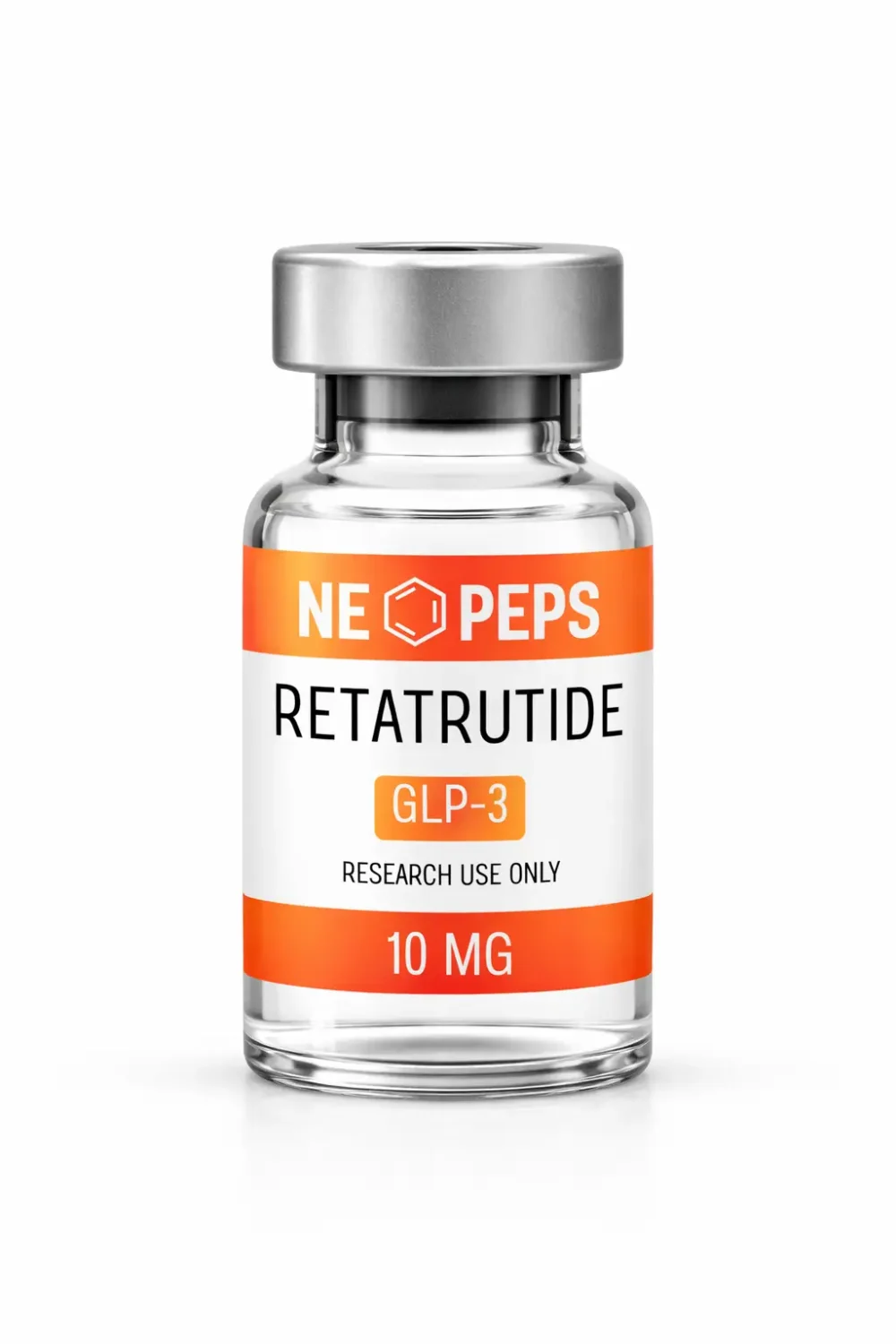
RETATRUTIDE
Price range: 170,00 € through 270,00 €Select options This product has multiple variants. The options may be chosen on the product page -
SELANK
Price range: 25,00 € through 40,00 €Select options This product has multiple variants. The options may be chosen on the product page -
GHK-CU
Price range: 40,00 € through 65,00 €Select options This product has multiple variants. The options may be chosen on the product page