




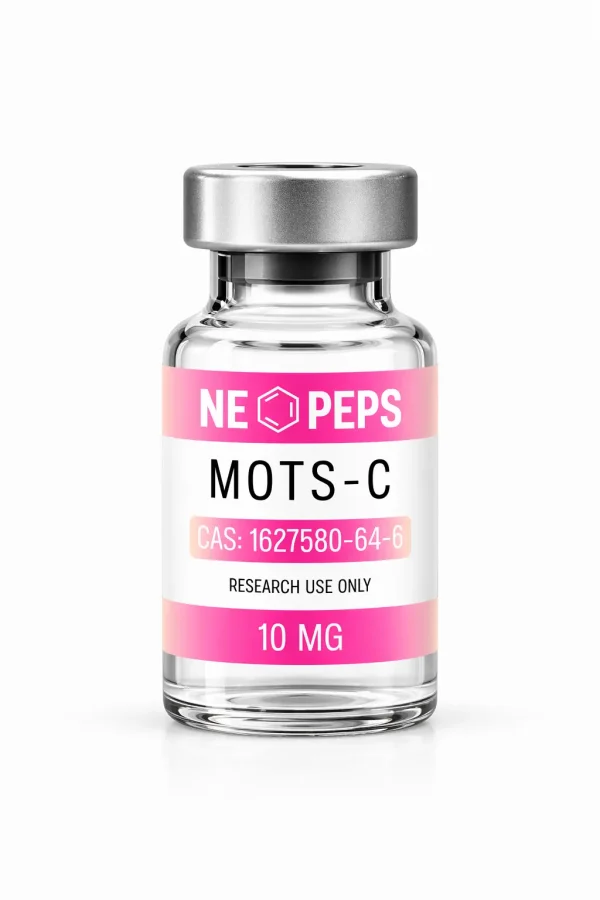
MOTS-C | 10 MG
MOTS-C | 10 MG
40,00 €
MOTS-c is a 16-amino-acid peptide encoded not in the cell nucleus but in mitochondrial DNA. It acts as a signal between mitochondria and the rest of the cell and is released into the blood during exercise. In animal studies it improved how muscle handles glucose and protected against diet-induced weight gain, which is why it is studied as an exercise-mimetic.
Available Arrives between Nov 12 – Nov 16
 Independently testedEvery batch analyzed by Janoshik
 Fast shippingDispatched within 24h, EU-wide
Composition
Molecular profile.
Research
Published studies.
The mitochondrial-derived peptide MOTS-c promotes metabolic homeostasis and reduces obesity and insulin resistance PubMed ↗ MOTS-c is an exercise-induced mitochondrial-encoded regulator of age-dependent physical decline and muscle homeostasis PubMed ↗ Mitochondrial-derived peptides are down regulated in diabetes subjects PubMed ↗Storage
Handling & stability.
Lyophilized
Reconstituted
About this compound.
MOTS-c is a 16-amino-acid peptide encoded not in the cell nucleus but in mitochondrial DNA. It acts as a signal between mitochondria and the rest of the cell and is released into the blood during exercise. In animal studies it improved how muscle handles glucose and protected against diet-induced weight gain, which is why it is studied as an exercise-mimetic.
MOTS-c acts on the folate–methionine cycle, lowering the cell's purine supply and thereby switching on the energy sensor AMPK.
Research background
- In mice on a high-fat diet, MOTS-c prevented obesity and insulin resistance and improved glucose uptake in skeletal muscle via AMPK activation (Lee et al., Cell Metab 2015).
- In humans, circulating MOTS-c rose sharply after exercise; in aged mice, treatment improved physical performance and muscle homeostasis (Reynolds et al., Nat Commun 2021).
- Circulating levels of MOTS-c and other mitochondrial-derived peptides were lower in people with type 2 diabetes than in healthy controls (Ramanjaneya et al., Front Endocrinol 2019).
Research areas
- Mitochondrial signaling
- Insulin sensitivity and muscle metabolism
- Exercise physiology and aging
Research Use Only. This product is intended exclusively for in vitro and laboratory research. It is not approved for human or veterinary use and no therapeutic claims are made. Handle with appropriate laboratory precautions.
Related products
-
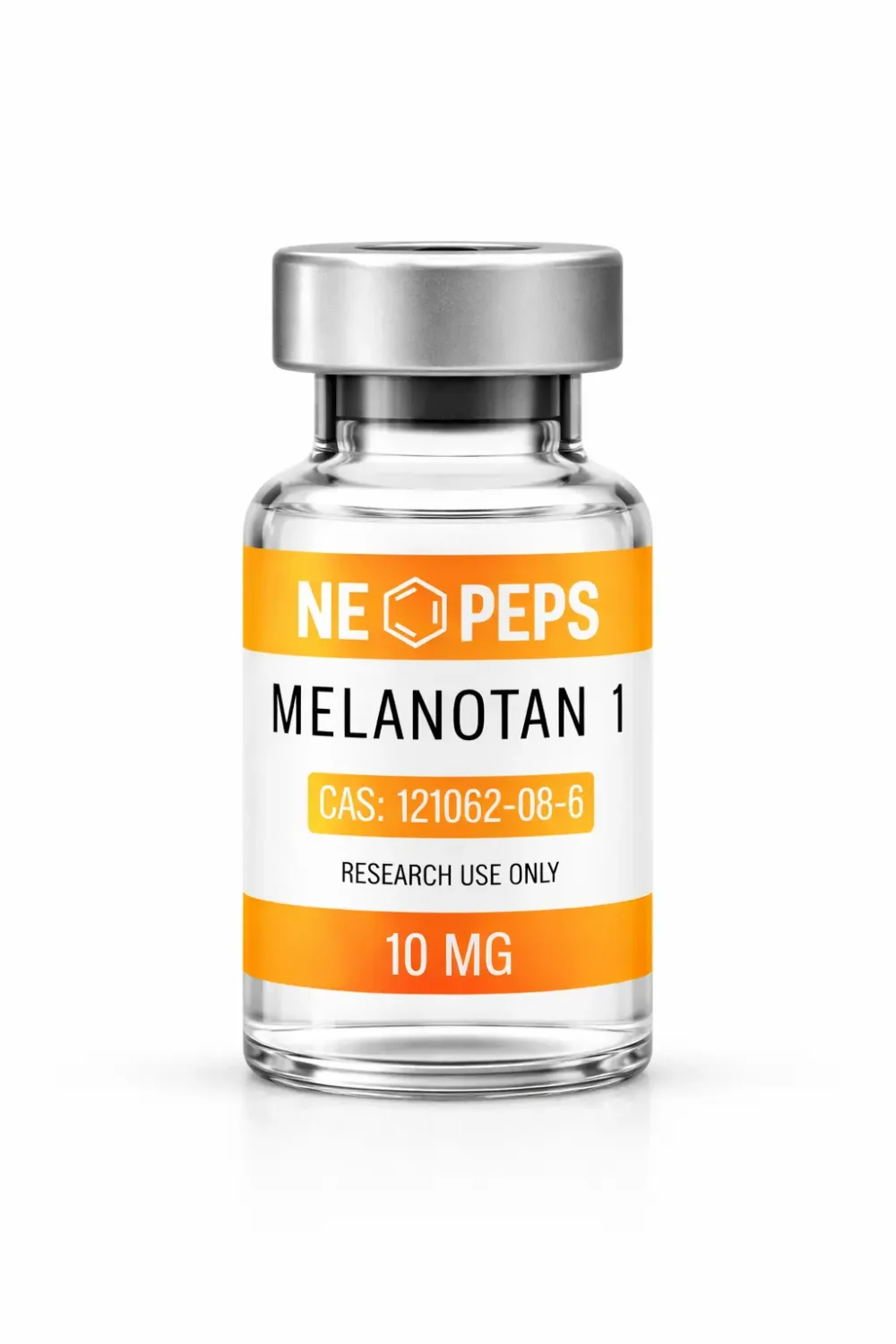
MT 1 | 10 MG
45,00 € -
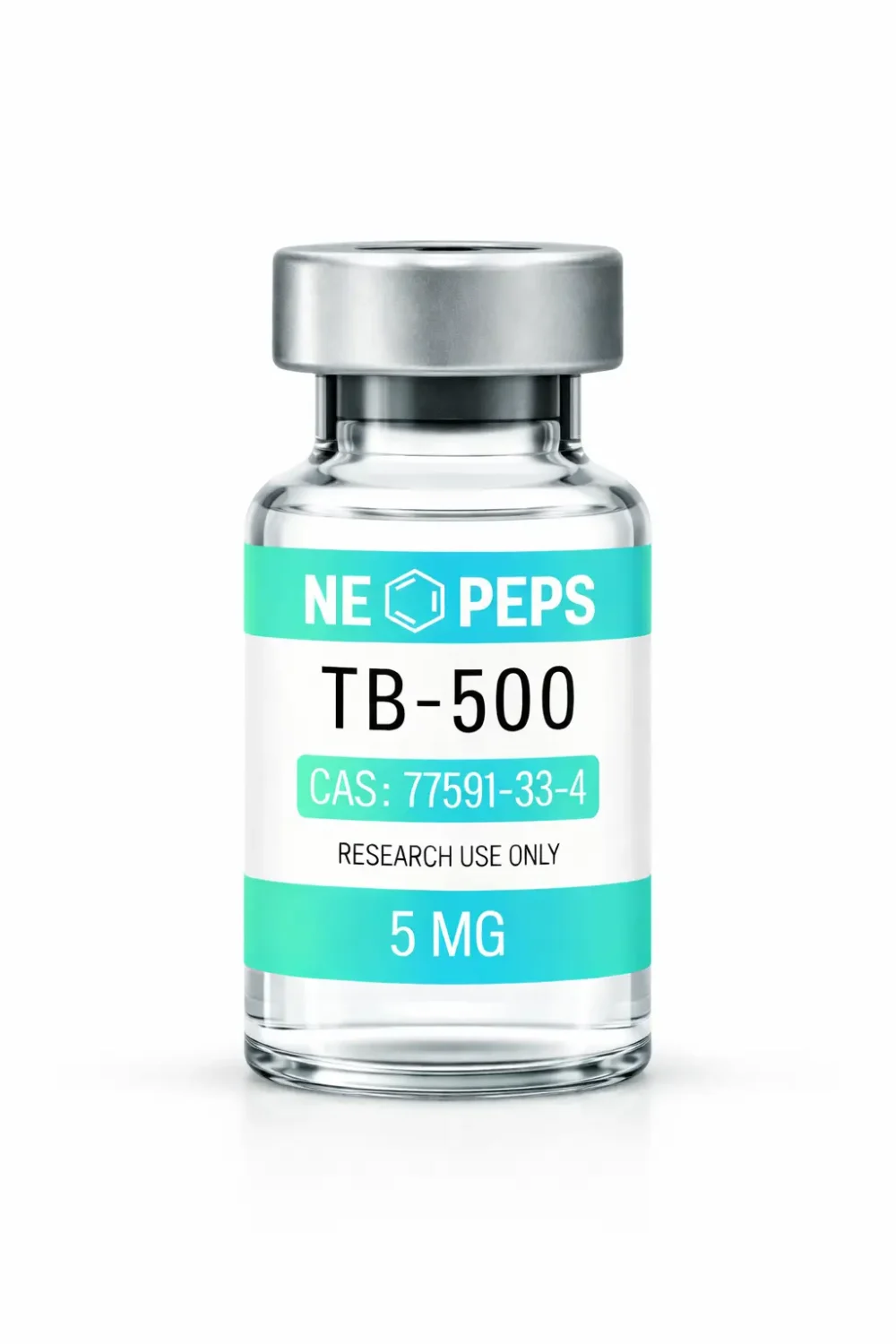
TB-500
Price range: 35,00 € through 45,00 €Select options This product has multiple variants. The options may be chosen on the product page -

SELANK
Price range: 25,00 € through 40,00 €Select options This product has multiple variants. The options may be chosen on the product page -
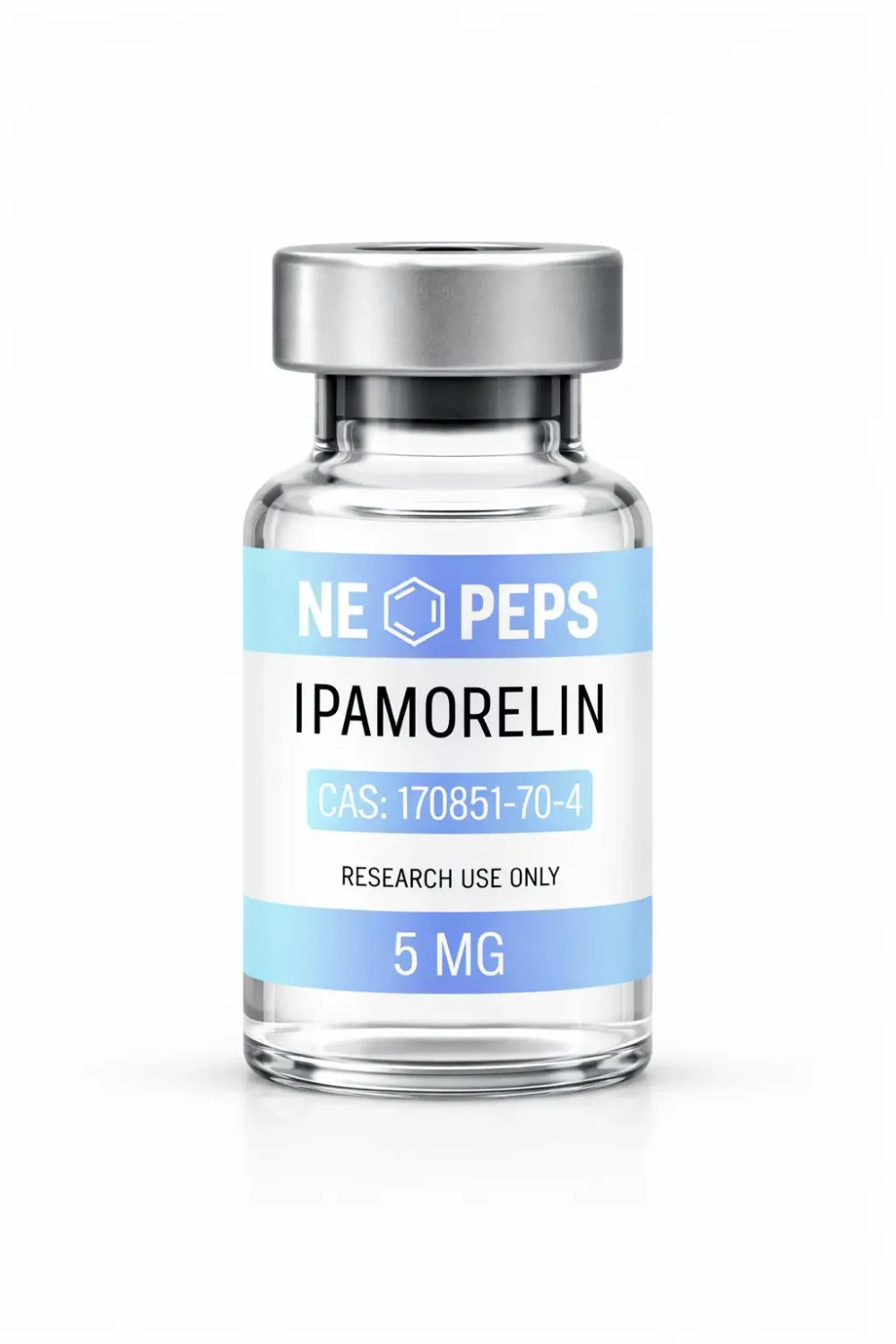
IPAMORELIN
Price range: 35,00 € through 50,00 €Select options This product has multiple variants. The options may be chosen on the product page